Rationale

A fundamental skill (and basic proficiency) of topping is practicing appropriate hand hygiene. This skill serves two important purposes, neither of which is related to post-session cleanup.

First, good hand hygiene minimizes the risk of infection transmission. Second, when practiced at the appropriate times, it demonstrates concern about the post-coital well-being of the bottom. The overall effect of good technique is a relaxed bottom with a relaxed hole.

Ancillary benefits of good technique include odor control, faster personal and post-coital cleanup, and reduced contamination of surfaces and objects at the host venue.

Man Washing Hands
Figure 1.1: Essential Handwashing

Handwashing is an important safety and and trust-building activity. Good practice demonstrates care for the bottom, which results in a relaxed hole.

Infectious Disease

Fisting causes trauma and damage to the mucous membranes of the fist chute. A compromised membrane reduces the natural barriers of the immune system and increases the transmissibility of traditional STIs. Apart from STIs, other common microorganisms can also take advantage of a wrecked hole.

Sexually Transmitted Infections and Diseases

Even though fisting (by itself) has a relatively low occurrence of STI transmission, certain practices and behaviors common to fisting sessions can increase transmission risks.

One-on-One Sessions

In one-on-one encounters, a top can transmit certain infections between himself and his partner if alternating his hand between his own genitals and the bottom's fist chute. The risk of a bottom transmitting an STI to a top is relatively low, except when the top has cuts or wounds on his hands.

The most likely route of bottom-to-top transmission is through hand-to-eye contact, and STIs such as Chlamydia, Gonorrhea, and Herpes can be transmitted this way.

Group Sessions

In group fisting sessions involving multiple bottoms, unwashed hands can easily facilitate the transfer of various microorganisms between bottoms. Infections that can easily spread in group sessions include HPV (warts), Hepatitis C, Shigella, Giardia, and Syphilis. However, the risk of transmission can be significantly reduced by practicing good hand hygiene, such as washing hands between bottoms.

Double Decker
Figure 1.2: Double Decker Increases Risk

The double decker involves two bottoms stacked vertically for penetration by a single top. Hands alternate between holes without hand hygiene.

Opportunistic Infections

Fisting and cleaning out can lead to compromised natural defenses of the fist chute, characterized by damaged membranes and a reduction in microbiota. Opportunistic infections are more likely to take advantage of the fist chute in this weakened state.

VOCABULARY

Oportunistic Infection

  1. Noun An infection caused by an organism that does not normally cause disease in people with weakened immune systems.

Pathogenic Potential

  1. Noun The ability of a microorganism to cause disease in a susceptible host, depending on several factors that include the ability to colonize and invade host tissues; the ability to evade host defenses; and the virulence factors it produces, such as toxins or enzymes that damage host tissue.
QUICK REFERENCE

Extreme Pathogenic Potential

These organisms have the potential to cause significant harm once inside the fist chute. Outside the fist chute, they are less dangerous, less infective, or easier to treat.

  • MRSA
  • C. Diff
  • E. Coli
  • Monkeypox
  • Hepatitis A & B

Mild Pathogenic Potential

Large colonies of bacteria and fungi that are unique to an individual are present in the colon. Normally, these microbiota coexist with the body in a harmless, homeostatic relationship. However, introduction of non-native microorganisms can disrupt this delicate balance, leading to mild symptoms such as diarrhea, rash, and a weakened immune response.

  • Candida (Jock Itch)
  • COVID-19
  • Various Streptococcus

Odor Elimination

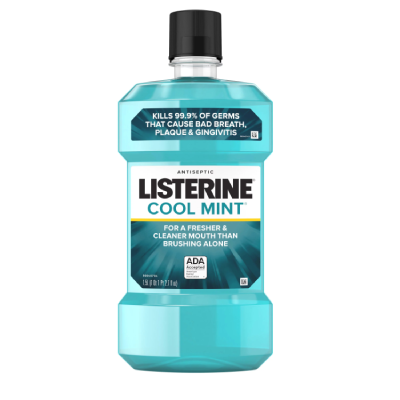
Because the fist chute also doubles as the lower GI tract, infiltration by fecal material can occur. The odor can easily be absorbed by the skin of the top. Handwashing with special disinfectants such as Listerine™ can remove lingering scents.

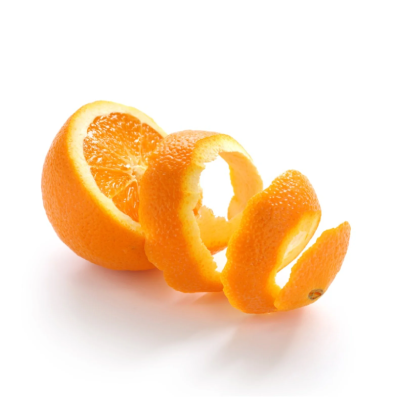
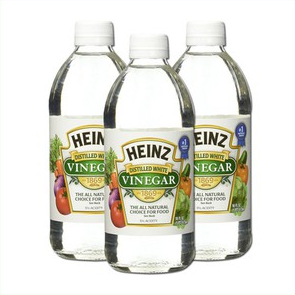
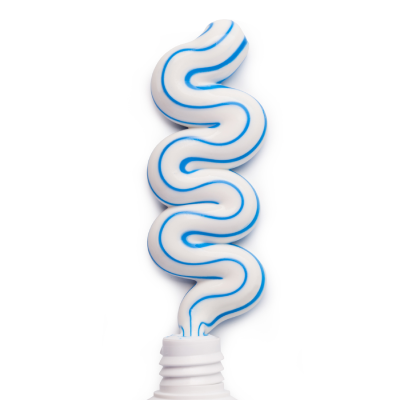
Coffee Grounds
citrus  Fruits
Vinegar
toothpaste
Listerine
Baking Soda
Figure 1.3 [ A - F ]: Odor Eliminators

Fecal odors can be removed by any of the following: coffee grinds, citrus fruit rinds or juices, vinegar, toothpaste , Listerine™, and baking soda. Listerine™ is likely to be the most effective.

General hygiene

Before play, handwashing removes dirt, grime, and potential pathogens from the hands of the top. After a session, the hands and arms of a top are coated with lubricant and bodily fluids. Designated tools and specific techniques facilitate rapid and efficient cleanup.

Enhanced Trust

Apart from hygienic value, handwashing builds trust and confidence with bottoms. It is an outward demonstration of the respect for the bottom and concern for his health and well-being. Disregard for well-being affects the sub-conscious and results in anxiety and uncooperative or less cooperative holes.

Tools

The removal of fisting lubes can be a laborious process with just soap and water. Various tools improve the efficiency and speed of cleanup. These include advanced soaps, everyday solvents, abrasive and non-abrasive cleaning utensils, and ideally, specialized facilities.

Soaps and Solvents

Fisting lubes are intentionally formulated to resist easy cleanup. Their chemical composition promotes adherence to the skin, which reduces friction and drag during fisting. The same chemistry that promotes adherence and lubricity also decreases washability. Special soaps and solvents decrease the need for mechanical abrasion and prolific rinsing during cleanup.

Soaps

Basic hand soap applied directly to lubricated paws often increases adherence and lubricity. The following soap alternatives are helpful:

  • Degreasers | Dishwashing detergents are usually the most effective soap for removing lipid-based and petroleum-based lubes such as Crisco, coconut oil, baby oil, and Vaseline®.
  • Aerosolized Degreasers | Dishwashing detergents in aerosol format reduce scrub time with PEO-based lubricants.
  • Abrasives | Soaps containing pumice , sand, bentonite, saw dust, and even oatmeal and nutshells tend to mechanically break the polymer chains of PEO-based lubes, making them easier to clean.
  • Sea Salts | Soaps with gritty sea salt combine mechanical and chemical factors to remove lube and exfoliate the skin. Typically, the salt levels are not high enough to drastically reduce sink time.

If abrasive soaps are your preferred cleanup agent, consider restricting your selection to natural agents (such as pumis) only. Some abrasives use micro-plastics that contaminate our waterways and oceans.

Fast Orange Soap
Figure 2.1: Abrasive Soaps

Mechanic soaps, such as LAVA and Fast Orange, include micro-abrasives to expedite cleaning.

Solvents

Any effort with just soap will require a substantial amount of mechanical abrasion to completely remove PEO-based lubes. Certain solvents coupled with soap expedite the removal. These solvents work by degrading the hydrogen and carbon bonds that exist in PEO polymer strands. The most commonly used solvent is table salt, although other products can also work effectively. Others include

  • Hair Conditioners | Since many shampoos have PEO or PEG components, conditioners are designed to remove residuals.
  • Shave Foams | Foams work better than gels, so the likely mechanism of operation is air and PEO destabilizers.
  • Alcohols | The chemical bonds in alcohol are weak and the base component (OH) plucks hydrogen off the chains to create water. The absence of hydrogen changes the affinity of the polymer strands for one another.
  • Peroxides | Peroxides work in the similar fashion as alcohol but are more powerful because peroxide is just (OH).
  • Listerine™ | Whatever active ingredient that minimizes fecal odors also has the ability to destabilize the polymers of PEOs.

Provisions and Implements

In the context of this course, the term "provisions" refers to disposable items like paper towels and puppy pads, as well as washable cloth rags that are only used once before requiring cleaning. "Implements" refers to equipment that can be used repeatedly before needing disinfection.

Item Type Use Phase Notes
Paper Towels Provision Single Dry Good technique can reduce the quantity of squares used from many to few.
Puppy Pads/Chucks Provision Single Dry The dry portion of a chuck or puppy pad works as good as paper towels in dry phase removal.
Rag/Hand Towels Provision Single Dry Placing a collection bin for used towels prevents re-use and contamination between players.
Loofas Implement Multi Wet After use, rinse thoroughly and consider disinfecting after the session ends.
Scrub Pads Implement Multi Wet After use, rinse thoroughly and disinfect. Discard every three months.
Silicone Gizmos Implement Multi Wet Various designs are available. Rinse thoroughly after use and consider disinfecting after the session ends.
Wet Tools and Implements
Figure 2.2: Wet Phase Implements

Abrasive tools such as loofas or scour pads quickly remove any lube left after dry phase abrasions.

VOCABULARY

Sink Time

  1. NOUN the amount of time spent removing PEO-based lube during the wet phase of cleanup. It is directly proportional to efforts made to remove lube during the dry phase of cleanup.

Wet Phase

  1. NOUN the cleanup phase that utilizes water, soap, and solvents to remove PEO-based lube.

Dry Phase

  1. NOUN the cleanup phase where excess lube is squeegeed off the hand or arm using dry provisions prior to subjecting the hand or arm to any water or rinse.

To effectively clean up PEO-based lubes, mechanical abrasion is the most efficient approach, although solvents and soap can be used in latter phases. To begin the process, it is important to strategically remove the lube, starting with the use of single-use provisions such as paper towels, puppy pads, chucks, and hand towels to absorb any excess lube during the dry phase before introducing water.

If dry phase provisions are not utilized before exposing the arm to water, it can lead to a fourfold increase in sink time, even with the use of wet phase implements.

During the wet phase, various implements, such as loofas, scrubbing pads, and silicone cleaning tools, are employed to mechanically remove any remaining lube that was not eliminated during the dry phase.

Facilities

Your handwashing routine can be influenced by the available facilities. An ideal setup would include a deep sink, automated water flows, and touch-free towel dispensers, which enable fisters to wash their hands effectively and reduce the risk of spreading germs.

In clubs, bars, and other locations where facilities may be inadequate, alternative measures are available for handwashing.

QUICK REFERENCE

Protocols

Protocols include standard practices and etiquette followed by the majority of the fisting community. Typically, these are things that new fisters pick up over time.

Etiquette

Etiquette refers to how you treat others in a specific fisting scenario. There are four etiquette guidelines related to handwashing.

Standard Practices

Standard Practices refers to common sense behaviors related to fisting activities. There are three standard practices related to handwashing.

Techniques and Guides

The following instructional guide(s) will help you:

  • Procedure...

    Wash Up Prior to Session Start (Hospital/Aseptic Technique)


Steps / Procedure

  1. Turn the faucet on and adjust to ideal temperature.
  2. Wet your hands.
  3. Apply soap (bar or liquid) and begin lathering.
  4. Scrubbing the following for thirty seconds:
    • Palms of hands
    • Nails and cuticles
    • Fingers and between fingers, including thumb
    • Back of hands
    • 7.5 cm (3 inches) above the wrist
  5. Rinse for 10 seconds.
  6. Leave faucet running.
  7. Grab paper towels and dry off thoroughly.
  8. Once dry, use the paper towel in your hand to turn off the water.
Use Paper Towel To Turn Off Faucet
Figure 4.1: Recontamination

Using the paper towel to turn off water prevents recontamination from the dirty faucet.

SUPPLIES
  • Liquid dishwashing soap (ideal)
  • Bar soap (less ideal)
  • Paper towels

Tips

Water temperature is irrelevant to disinfection. Soap and scrubbing for 30 seconds is key. In English, the children's Alphabet Song ( A B C D E F G...) lasts 15 seconds. Repeat it twice in your head as you are handwashing to ensure sufficient time to remove dirt, grime, and infectious agents.

  • Procedure...

    Effectively Remove PEO and Lipid-based Lubes From Hands


Steps / Procedure

  1. Remove all wet lube from your hands while still at the sling or bedside using the Wallpaper Aftercare Technique or the Squeegee Technique.
  2. At this time, discard any paper towels, rags, chucks, or pads used in this process to prevent future recontamination.
  3. Proceed to the faucet, touching as few surfaces as possible.
  4. At the faucet, apply soap or solvent to your dry skin and lather up prior to wetting your hands*:
    • For lipid and petroleum-based (for example, Crisco™ and Vaseline™) lubes, use liquid or aerosol dishwashing soap.
    • For PEO-based lubes (J, K, X and FFausten), use one of the solvents listed above.
  5. Turn the water on.
  6. Rinse the soap or solvent with rapid friction or squeegee techniques.
  7. Repeat a second round of washing using the Hospital/Aseptic Technique (above).

*If your solvent is salt, you will need to rehydrate your hands prior to application.

Squeegee
Figure 4.2: Squeegee Technique

Wiping rehydrated lube off with the Squeegee Technique decreases scrub time.

SUPPLIES
  • Paper towels, rags, or dry sections of chucks/pads
  • Liquid dish washing soap
  • Various solvents for PEO-based lubes (i.e. salt, Barbosol™ shave cream, hair conditioner)

Tips

If you implement the Wallpaper Aftercare Technique for cleaning up the bottom, you can effectively remove 75% of lube on your hands at the sling or bedside.

Do not take offense if a bottom asks to examine your hands prior to playing to ensure you followed appropriate handwashing techniques.

  • Procedure...

    Reduce Sink Time after Depth Fisting


Steps / Procedure

  1. Remain at the sling or bedside with the bottom on his back.
  2. Lay a strand of four sheets of paper towels across his abdomen.
  3. Place your arm on top of the strand of sheets, then wrap the sheets around the arm and hand.
  4. Have the bottom wrap his hands around the paper towels just above the bicep.
  5. Pull away from the bottom so that he squeegees the arm as you retract. The majority of the lube should be gone.
  6. Wipe up the bottom and help him dismount before heading to the sink.
  7. Apply shave cream, conditioner, or aerosolized dishsoap to the dry arm.
  8. Apply water and rinse. If necessary, repeat the Squeegee Technique (steps 3 through 5) on your own without the bottom, then scrub and rinse.
Man with Paper Towels on Arm
Figure 4.3: Four Sheets

The four sheets are wrapped around the arm in the Wallpaper Technique fashion.

SUPPLIES
  • Paper towels, rags, or dry sections of chucks/pads
  • Aerosolized or liquid dishwashing soap
  • Various solvents for PEO-based lubes (i.e. salt, Barbosol™ shave cream, hair conditioner)

Tips

Before you start fisting, it's a good idea to prep your paper towels for post session cleanup. Make a stack of several singles (for cleaning up the bottom) and to the side, make a stack of the sheets for your arm.

  • Procedure...

    Wash Up at Locations with Limited Facilities


Steps / Procedure

  1. Lay your extended measuring tape on a flat surface with the measurement side facing down.
  2. Position your hand on the tape. Your hand will be:
    • Palm down
    • Five centimeters (two inches) from the end of the tape
    • Intersecting the tape perpendicularly, with one end just below the pinky and the other end in the crook of the thumb and index finger
  3. Wrap both ends of the tape over the top of your hand.
  4. Mark the measurement where the tape intersects.
  5. Use the size chart to determine your glove size.
Measuring Circumference
Figure 4.9: Intercept Point

Glove size is determined based on the circumference measured with a flat palm.

SUPPLIES
  • Flexible cloth measuring tape, or...
  • Sheet of office paper, pen, and ruler

Recording Tips / Alternative Methods

If you do not have a measuring tape, take a sheet of letter or legal paper and wrap it around your hand as directed above. Use the long side of the paper, as most hands are eight to ten inches around. Mark where the paper meets, then use a ruler to determine the length of the marked paper.

Course Appendix

The following material may guide the development and deployment of this topic:

Objectives

Upon completing this course, the student will be able to:

  • Demonstrate effective handwashing techniques
  • Give three reasons for handwashing
  • Identify five substances that decrease sink time
  • List two alternatives for handwashing when facilities are limited
  • Give one etiquette protocol and one standard practice related to handwashing

Note: Objectives should follow instructional design standards and be easily measurable with little ambiguity.

Supplemental Content
Blog Articles
  • Blog: Experiments with Handwashing

F2 Promotional Materials
  • Skills: Handwashing
  • Protocols: Handwashing
  • FWOTD:
    • Squeegee
    • Polymer Based Lube
    • Barbosol
    • Orange Muck
Outline (Proposed)
  • Rationale
  • Infectious Disease
  • Odor Elimination
  • General Hygiene
  • Tools
  • Soaps and Solvents
  • Implements and Provisions
  • Facilities
  • Protocols Index
  • Etiquette
  • Standard Practices
  • Techniques
  • Slingside
  • Aseptic Technique
  • Lube Removal - Standard
  • Lube Removal - Depth
  • Lube Removal - PEO-Based/Emulsifiers
  • Lube Removal - Lipids
  • Lube Removal - Limited Facilities
F2 Resources

These individuals have indicated they continue fisting with this condition:

  • Hex Code
  • Hex Code - Condition
Brain Dump - Staging Area
        
Publication Quick Links
Developer's Toolkit | Nu HTML Checker