
Safety
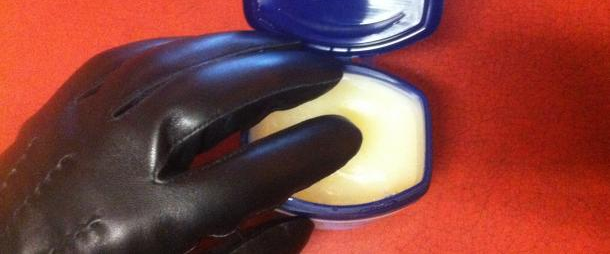
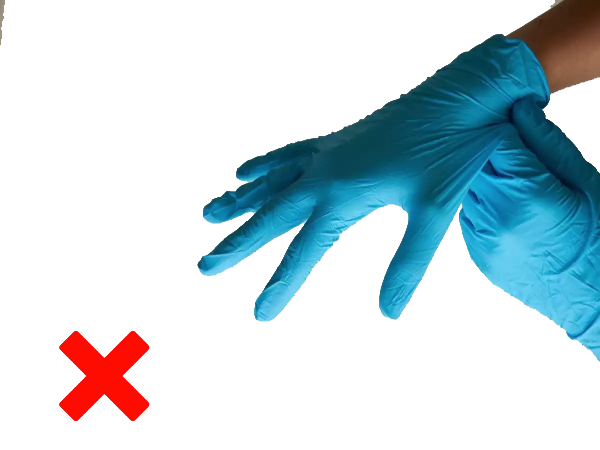
Safety concerns are the most common reason for using gloves or cots. Gloves decrease STI transmission, reduce wound exposure, and mitigate risks from rough nails.
STI Transmission
Gloves are similar to condoms. If used correctly, they decrease the transmission of membrane and skin-based microorganisms between partners.
For example, during the primary and secondary stages of syphilis, the bacteria can easily be transferred between partners via skin-to-skin or skin-to-membrane contact.
Other contact-based microorganisms, such as MRSA, HPV, HSV, and molluscum contagiosum, can also be transmitted via simple contact, although these organisms are less common on hands and arms.
Wound Exposure
Transmission of bloodborne pathogens, such as HIV and hepatitis, can occur when a wound on the hand or arm is exposed to blood from the bottom.
The lining of the fist chute is rich in capillary beds. These small vessels tear and bleed with continuous pressure. Although blood from these tears may not be visible, it is always present.
Cuts, scabs, scratches, or hangnails create an exchange point, especially when moisture and friction from fisting reopen a sealed wound. If blood flow isn't heavy, transmission is extremely uncommon but not impossible.
The greatest danger for transmission exists during group events. Tops can transport microorganisms between bottoms if gloves or proper hygiene procedures are not used.
Rough Nails
Experienced fisters understand that nail prep is extremely important in preventing injury. Because of the fast growth of nails, preparation is best when completed on the day of the fisting session.
If nails are neatly trimmed, yet still long enough or rough enough to fail the bottom's screening process, gloves or cots can be used to prevent scratching and damaging the fist chute.

Figure 1.2: Unmanicured Nails
Gloves can decrease the risk of injury when nails are trimmed and manicured but long enough to scratch an itch.