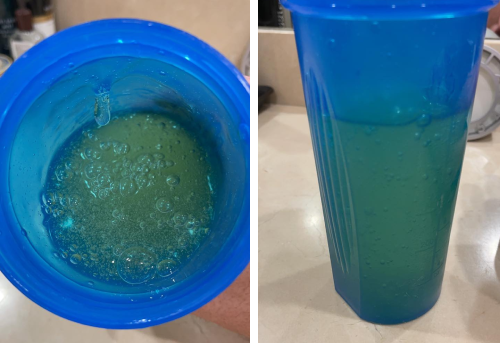
Bases (Principal Ingredient)
A lubrication base is the primary active ingredient responsible for providing lubricity and viscosity. Lubrication bases are often grouped into two broad categories: water-based and oil-based. Water-based lubes are created from powders or certain fluids, such as glycerine. Oil-based lubes include lipids, such as Crisco and plant oils, as well as petrolatum distillates, such as petrolatum (Vaseline) and paraffinum liquidum (mineral oil).
Most fisters use greater specificity to refer to their lube bases. For example, they will use Alphabet Lube or PEO-based Lube rather than water-based lube to refer to a lube with polyethylene oxide as the active ingredient.
Lubrication Base
-
Noun Phrase The primary or principal ingredient that gives a lube its lubricity or slipperiness.
Selection Criteria
Fisters select different bases for various reasons:
- Availability | Finding specialty lubes can be difficult. A common fallback is lipid-based lubes such as shortening (Crisco) and plant oils.
- Lubricity and Viscosity | Personal preferences dictate selection. Decisions are based on the hole's response to the silkiness, slipperiness, and thickness of a lube.
- Cost | The per mL (fl oz) cost of some lubes is prohibitive. For example, most silicone lubes are too expensive to use as a general fisting lubricant. On the other hand, the alphabet lubes produce many liters (gallons) of lube for a relatively low price.
- Health Concerns | Most lube bases are not organic and there are no studies that address how lubes affect the body in the short or long term. In some cases, lubes may be avoided for blood sugar reasons.

Figure 1.1: Lubricity Considerations
Lipid-based lubes, like Crisco, often create more drag (and have less lubricity) than PEO-based lubes. Some fisters enjoy the extra drag provided by lipids.
Expiration Dates
Bases have expiration dates.
Lipids such as Crisco will go rancid with time. Rancid oils may smell odd or look discolored. Most food grade lipids have expiration dates on product packaging.
| Crisco Product | Longevity at Room temperature |
|---|---|
| Can – Sealed | 2 years from date of manufacture |
| Can – Opened | ~1 year |
| Sticks – Sealed | 2 years from date of manufacture |
| Sticks – Opened | ~6 months |
Table 1.1: Package Date Expiration for Crisco Products
Length of guaranteed freshness varies based on the product line. Storage within the fridge or freezer makes little difference to longevity.
Glycerine-based lubes (like Wet, Astroglide, KY Jelly) and emulsifying powders (PEOs and gums) degrade and lose their lubricity over time. If packaging has expiration dates, discard when appropriate. Many alphabet lubes do not list expiration dates on the packaging. When an alphabet lube no longer creates the desired lubricity with your standard recipe, it is time to discard it.

Figure 1.2: Package Date Expiration
Many products have Best if Used By dates; however, once opened, a product can degrade prior to the expiration date. Recording the opened date helps gauge freshness.